In kitchens around the world, a quiet revolution is taking place. More and more home cooks and professional chefs are turning away from the familiar shaker of monosodium glutamate and reaching instead for something simpler, purer, and far more flavorful. The quest for umami, that deeply savory fifth taste, is leading them back to nature's own pantry, and one ingredient, in particular, is rising to the occasion: the humble mushroom.
For decades, the food industry has relied heavily on processed salt and artificial flavor enhancers like MSG to make food taste good. These additives are effective, there's no denying that. A pinch of MSG can make a bland soup sing and elevate a simple stir-fry to new heights. But this convenience comes at a cost to our health. Excessive sodium intake is a well-documented contributor to hypertension, heart disease, and stroke. While MSG itself has been largely exonerated from causing the headaches and other symptoms once attributed to it—a condition erroneously dubbed "Chinese Restaurant Syndrome"—it remains a highly processed product that many conscious consumers wish to avoid. The desire for cleaner labels and more wholesome ingredients is fueling a search for a natural alternative that delivers on taste without the potential downsides.
Enter the mighty mushroom. This isn't about finding a one-to-one chemical replica for MSG; it's about harnessing the power of nature's own biochemistry. Mushrooms, especially varieties like shiitake, porcini, and morel, are veritable powerhouses of umami. This rich, savory flavor comes primarily from high concentrations of naturally occurring glutamates and nucleotides. When these compounds are concentrated, typically through a process of drying and grinding, the result is a potent powder that acts as a flavor bomb. It doesn't just add saltiness; it amplifies and deepens the existing flavors in a dish, creating a more complex and satisfying taste profile that processed additives simply cannot match.
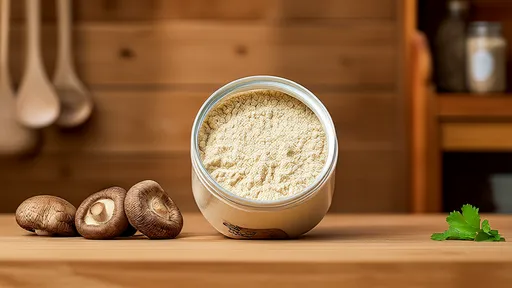
The beauty of creating your own mushroom powder lies in its stunning simplicity. The process requires minimal equipment—essentially a baking sheet, a blender or spice grinder, and an airtight container for storage. The first step is selecting your mushrooms. While shiitake are the most popular choice due to their intense umami character and wide availability, don't be afraid to experiment. A blend of shiitake for depth, porcini for earthy richness, and even a few dried morels for a touch of luxury can create a custom powder that is uniquely yours. The key is to ensure they are thoroughly dried. This can be achieved slowly in a low oven or, even better, in a food dehydrator, which preserves more of the delicate flavors and nutrients.
Once your mushrooms are completely desiccated and brittle to the touch, the transformation begins. Breaking them into small pieces and giving them a whirl in a high-powered grinder reduces them to a fine, aromatic dust. The aroma that erupts from the grinder is the first sign of magic—an intense, earthy, and profoundly savory scent that promises great things for your cooking. The texture should be as fine as store-bought powdered sugar to ensure it dissolves seamlessly into sauces, soups, and marinades. For an even more versatile seasoning, consider adding other umami-rich or complementary ingredients to the grind. A small piece of dried kombu seaweed can boost the glutamate content even further, while a sprinkle of nutritional yeast can add a cheesy, nutty dimension.
So, what can you do with this homemade treasure? The applications are nearly endless, limited only by your culinary imagination. It is the secret weapon for vegetarian and vegan cooking, instantly adding a meaty depth to vegetable broths, gravies, and plant-based burger patties that might otherwise taste flat. A spoonful stirred into a simmering pot of chili or stew will round out the flavors, making them seem like they've been cooking for hours. It's a fantastic dry rub for meats, tofu, and roasted vegetables, creating a beautiful, caramelized crust packed with flavor. You can even mix it into dough for savory breads or whisk it into salad dressings for an extra punch. It’s a multiplier, making good food taste exceptional.
Beyond the immediate gratification of incredible flavor, the shift to a natural alternative like mushroom powder is an investment in long-term well-being. By significantly reducing your reliance on table salt, you take direct control over your sodium intake. This is a powerful preventative health measure. Furthermore, you are incorporating the inherent nutritional benefits of mushrooms into your daily diet. Mushrooms are a source of B vitamins, selenium, potassium, and are one of the few non-animal sources of vitamin D, especially if they have been dried in sunlight. You're not just avoiding a processed ingredient; you're actively adding a functional, health-supporting whole food to your meals.
The movement towards real, whole foods is more than a passing trend; it's a fundamental rethinking of our relationship with what we eat. Making your own mushroom powder is a small but profoundly impactful act within this movement. It reconnects you to the ingredients, demystifies the process of creating deep flavor, and empowers you to nourish yourself and your family without compromise. It proves that the most powerful tools in the kitchen are often the simplest and most ancient. In that jar of earthy, homemade powder, you hold the essence of umami, the promise of healthier cooking, and the pure, unadulterated taste of the forest itself.
By /Aug 20, 2025

By /Aug 20, 2025
By /Aug 20, 2025

By /Aug 20, 2025
By /Aug 20, 2025
By /Aug 20, 2025
By /Aug 20, 2025
By /Aug 20, 2025
By /Aug 20, 2025
By /Aug 20, 2025
By /Aug 20, 2025

By /Aug 20, 2025
By /Aug 20, 2025
By /Aug 20, 2025
By /Aug 20, 2025
By /Aug 20, 2025
By /Aug 20, 2025
By /Aug 20, 2025
By /Aug 20, 2025
By /Aug 20, 2025
