In the quiet hum of a well-used kitchen, the gleam of a well-kept knife is a testament to a cook's respect for their craft. It’s a small, daily ritual that separates the fleeting from the forever—a blade that stays sharp, stays bright, and refuses to succumb to the creeping orange blush of neglect. Among the most sacred of these rituals is the immediate and thorough drying of a blade after it has encountered acidic ingredients. This isn't merely a suggestion from a manual; it is the cornerstone of preserving a tool's soul and edge.
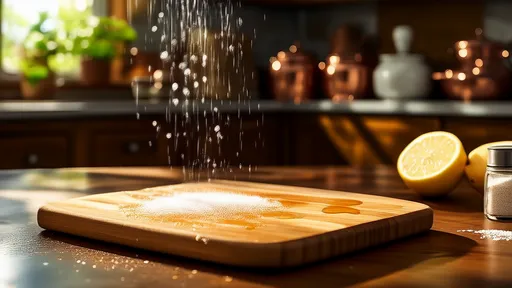
The enemy is often beautiful: the vibrant juice of a lemon, the deep red pulp of a tomato, the sharp vinegar in a dressing. These are the staples of flavor, the elements that make food sing. Yet, for all their culinary virtue, they are agents of corrosion. The science is straightforward but brutal. Acids, particularly those in citrus fruits, tomatoes, and vinegar, accelerate the oxidation process of the steel in your knife. This oxidation is what we commonly call rust. It starts not as a glaring flaw, but as a microscopic breach. The moment acidic residue is left on the blade, it begins to eat away at the protective layer of the metal, inviting moisture and air to join the destructive feast. What begins as a nearly invisible spot can, in a matter of hours, become a pit that compromises the structural integrity and the razor-sharp edge you work so hard to maintain.
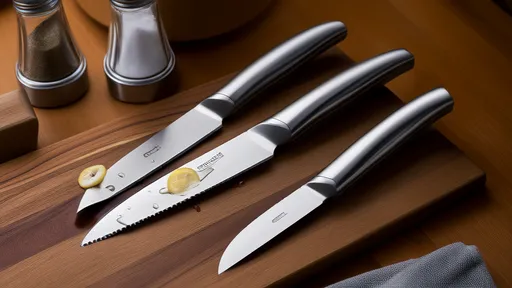
This is why the instruction is so absolute, so non-negotiable: immediately wipe it dry. Not in a minute, not after you’ve plated the salad, but the very second the cutting is done. This immediate action is a barrier, a decisive break in the chemical chain reaction. The goal is to leave zero time for the acid to begin its work. A soft, absorbent cloth should be kept within arm's reach of your cutting board, as essential a tool as the knife itself. The wipe must be deliberate and thorough, tracing the entire length of the blade, paying special attention to the heel and the bolster where liquid loves to pool, unnoticed. This single, swift habit is more effective than any quarterly deep-clean or specialized polish. It is proactive defense versus desperate damage control.
But the philosophy extends beyond just reacting to acid. This act of immediate drying is the heart of a broader practice of mindful maintenance. It fosters a relationship with your tool. You become attuned to its condition, noticing the slightest discoloration or the beginnings of a dull edge. This ritualistic care transforms the knife from a mere utensil into an extension of the chef's hand. Its continued brilliance becomes a point of pride, a quiet, gleaming signature on every dish you create. A well-cared-for knife responds with better performance, cleaner cuts, and a longevity that tells a story of respect in a world of disposable goods.
Ultimately, this simple secret—cut, then instantly dry—is about honoring the investment, both monetary and emotional, you have made in your kitchen tools. It is a discipline that pays perpetual dividends, ensuring that every time you reach for that handle, you are met with the cold, flawless shine of ready perfection. It guarantees that your blades will not only remain functional but will also retain their beautiful, mirror-like finish, reflecting not just the kitchen lights, but the care of the hands that hold them.
By /Aug 20, 2025

By /Aug 20, 2025

By /Aug 20, 2025

By /Aug 20, 2025
By /Aug 20, 2025

By /Aug 20, 2025

By /Aug 20, 2025
By /Aug 20, 2025
By /Aug 20, 2025

By /Aug 20, 2025
By /Aug 20, 2025

By /Aug 20, 2025
By /Aug 20, 2025
By /Aug 20, 2025
By /Aug 20, 2025
By /Aug 20, 2025
By /Aug 20, 2025
By /Aug 20, 2025
By /Aug 20, 2025

By /Aug 20, 2025