Iron Wok Seasoning Technique: Oil Coating and Baking After Stir-Frying to Develop a Non-Stick Pan

Aug 20, 2025 By

In the quiet corners of home kitchens and the bustling environments of professional restaurants, a culinary tradition has persisted through generations, whispered from one cook to another like a cherished family secret. The art of seasoning and maintaining a cast iron wok or skillet transcends mere cooking technique; it represents a philosophy of care, patience, and respect for the tools that nourish us. This practice, often referred to as "wok hay" or the spirit of the wok in Chinese culinary culture, is not just about creating non-stick surfaces but about building a relationship with your cookware.

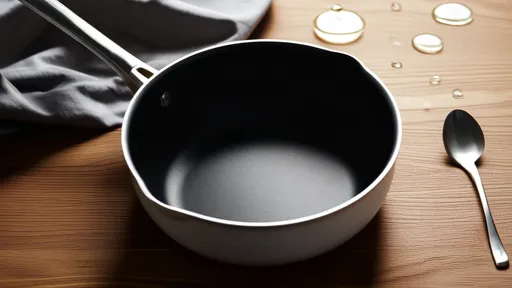
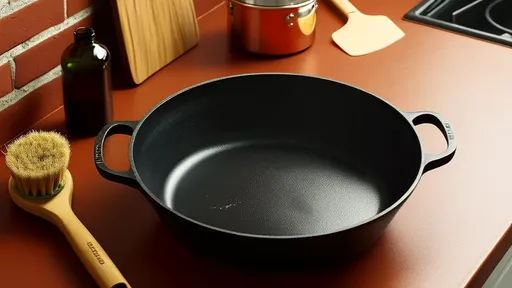
At its core, the method is deceptively simple: after cooking, especially after stir-frying or sautéing, the warm wok is meticulously cleaned without soap, dried thoroughly, and then a thin layer of oil is applied before the vessel is heated gently to bond the oil to the iron. This process, repeated over time, gradually builds up a polymerized layer of oil that becomes the non-stick surface, a patina known as the seasoning. It is this very seasoning that is the soul of a well-loved wok, transforming it from a mere piece of metal into a trusted kitchen companion.

The science behind this transformation is as fascinating as the tradition itself. When oil is heated on the iron surface, it undergoes a process called polymerization. The fatty acids in the oil break down and then cross-link, forming a hard, slick coating that is bonded to the metal. This layer is not a temporary fix but a durable, natural non-stick surface that improves with each use. Unlike synthetic non-stick coatings found on modern pans, which can degrade and potentially release harmful chemicals over high heat, this seasoned layer is entirely organic and safe, becoming more resilient with proper care.

Choosing the right oil is a critical first step in this journey. Oils with a high smoke point, such as flaxseed oil, grapeseed oil, or even refined avocado oil, are often recommended. The high smoke point means the oil can be heated to a temperature sufficient for polymerization without burning or smoking excessively, which could lead to a sticky or uneven coating. Each type of oil imparts its own subtle characteristics to the seasoning, with some enthusiasts swearing by the hard finish of flaxseed, while others prefer the neutral profile of grapeseed.

The initial seasoning process, often called the "boot camp" for a new wok, is a ritual in itself. A brand-new cast iron wok usually comes from the factory with a protective coating of wax or oil to prevent rust during shipping. This must be scrubbed off aggressively with soap and hot water—one of the few times soap is permitted in the life of a well-seasoned wok. Once stripped bare, the wok is dried completely over heat to ensure no moisture remains, as water is the enemy of iron, leading swiftly to rust.

With the wok dry and warm, a very small amount of oil is applied with a paper towel or cloth, coating the entire interior surface in a thin, almost invisible layer. The key word here is thin. Too much oil will result in a sticky, blotchy coating rather than the desired hard, slick patina. The wok is then placed over low to medium heat, or inverted in an oven if one is being used, and heated for a period of time, allowing the oil to smoke slightly and polymerize. This process is repeated several times, sometimes over the course of a day, to build a strong foundational layer.

But the journey doesn't end after the initial seasoning. The true art lies in the daily maintenance, the after-care following each use. After cooking, food residue is scrubbed out, often with just hot water and a stiff brush or a chainmail scrubber designed for cast iron. Abrasive scouring pads or soap are typically avoided as they can strip away the delicate layers of seasoning that have been built up. Once clean, the wok is returned to the stove to evaporate every last drop of water.

While it is still warm from drying, a minute amount of fresh oil is wiped onto the cooking surface. This post-cleaning oiling is a preventative measure, a tiny offering to the gods of cast iron to protect against humidity and potential rust spots. Some practitioners take it a step further, giving the wok a brief warm-up after oiling to just below the smoke point, further reinforcing the seasoning before storing it away. This act of care, performed consistently, is what leads to a jet-black, mirror-smooth, incredibly non-stick surface that is the envy of any cook.

The benefits of a properly seasoned wok extend far beyond its non-stick properties. It becomes a superior conductor of heat, allowing for the high-heat searing and quick cooking that is essential to many cuisines, particularly stir-fries. It also adds a depth of flavor, a certain umami essence that cannot be replicated in a new or non-stick pan. This is the concept of "wok hei," the breath of the wok, a complex flavor imparted by the rapid caramelization and slight smoking of oils and sauces against the intensely hot, seasoned surface.

However, this path is not without its potential pitfalls. Mistakes are common, especially for beginners. Using too much oil during the seasoning process is perhaps the most frequent error, leading to a tacky or sticky surface that attracts dust and food particles rather than repelling them. Another common issue is overheating an empty wok, which can crack the seasoning layer or even damage the iron itself. Furthermore, cooking certain acidic foods, like tomatoes or wine-based sauces, in a newly seasoned wok can break down the delicate polymerized layer, requiring a re-seasoning afterwards.

Rust is the perennial foe of cast iron. If the protective oil layer is compromised—perhaps from scrubbing too hard, leaving it wet, or storing it in a damp place—the iron will quickly oxidize. Discovering a patch of rust can be disheartening, but it is not a death sentence for the wok. The affected area can be scrubbed with steel wool or a scouring pad to remove all traces of rust, and then the entire process of drying, oiling, and heating must be repeated to re-establish the seasoning over that spot, seamlessly integrating it back into the whole.

Beyond the practicalities, the act of seasoning and maintaining a wok fosters a mindful connection to cooking. In a world of disposable goods and Teflon pans that are replaced every few years, the cast iron wok is a testament to longevity and sustainability. With proper care, it can last a lifetime, even becoming an heirloom passed down through families. The ritual of cleaning, drying, and oiling becomes a meditative practice, a moment of quiet focus at the end of a meal that honors the tool that helped create it.

This tradition, while deeply rooted in Asian culinary history, has found a passionate following across the globe. From professional chefs in high-end restaurants to home cooks seeking a more authentic and healthy cooking experience, people are rediscovering the profound satisfaction of building and maintaining a perfect seasoning. Online forums and communities are filled with enthusiasts sharing photos of their prized cookware, discussing the merits of different oils, and troubleshooting problems, creating a modern digital tapestry around an ancient practice.

Ultimately, the process of transforming a raw iron wok into a non-stick powerhouse through repeated oiling and heating is more than just a kitchen hack. It is a craft. It demands patience, attention, and a willingness to learn from mistakes. The reward is not merely a pan that food slides effortlessly out of, but a cooking instrument that feels alive, that has history and character, and that consistently delivers food with a flavor and texture that is simply unachievable by any other means. It is a beautiful synergy of science, tradition, and culinary art, a testament to the idea that the best things in life—and in the kitchen—are worth building slowly, layer by careful layer.
Recommend Posts
Food

Salt Reduction and Flavor Enhancement: Homemade Mushroom Powder as a Natural MSG Substitute

By /Aug 20, 2025

In kitchens around the world, a quiet revolution is taking place. More and more home cooks and professional chefs are turning away from the familiar shaker of monosodium glutamate and reaching instead for something simpler, purer, and far more flavorful. The quest for umami, that deeply savory fifth taste, is leading them back to nature's own pantry, and one ingredient, in particular, is rising to the occasion: the humble mushroom.
Food

The Perfect Art of Oil-Free Fried Eggs: Low-Temperature Baking in a Non-Stick Pan for a Healthy, Non-Stick Experience

By /Aug 20, 2025

In the quiet hum of morning kitchens, a culinary revolution brews not with excess oil or frantic heat, but with patience and precision. The art of oil-free fried eggs, perfected through the gentle embrace of a non-stick pan and low-temperature slow cooking, has emerged as a beacon for health-conscious food lovers and culinary purists alike. This technique transcends mere trendiness, offering a symphony of texture, flavor, and well-being in every bite. It challenges the long-held belief that a perfect fried egg requires a sizzling pool of fat, proving instead that mastery lies in control and understanding.
Food

Cantonese Hand-Pounded Beef Meatball Elasticity Test: 40-Minute Pounding is Key

By /Aug 20, 2025

In the bustling night markets of Chaoshan, amid the sizzle of woks and the aromatic steam of freshly cooked delicacies, one culinary marvel consistently draws crowds—the hand-pounded beef ball. These are not your average meatballs. They possess a springy, almost magical texture that seems to defy the ordinary laws of food physics. For generations, the secret to their legendary bounce has been whispered among master chefs: it’s all in the pounding. But for how long? Recent investigations into this traditional craft have pointed to a fascinating and precise answer.
Food

Hand Drip Coffee Temperature Control: Optimal at 92°C for Balanced Flavor Extraction

By /Aug 20, 2025

In the intricate world of specialty coffee, few variables command as much attention and debate as water temperature. It is the silent conductor of the extraction orchestra, a fundamental force that can either coax out a symphony of flavors or lead to a cacophonous brew. Among the myriad of temperatures discussed in brewing guides and cafe training manuals, 92°C (197.6°F) has emerged as a particularly revered benchmark for many pour-over aficionados and professional baristas. This is not an arbitrary number plucked from the air but a sweet spot, a thermal equilibrium where the complex chemistry within the coffee grounds interacts with water in a manner often described as achieving a remarkable balance.
Food

Homemade Liuzhou Sour Bamboo Shoots: A 5-Day Fermentation Method for Perfectly Timed Sour Aroma

By /Aug 20, 2025

In the misty, river-laced city of Liuzhou, nestled within the Guangxi Zhuang Autonomous Region of Southern China, a culinary tradition quietly thrives in the humid air of family kitchens. It is here that the art of fermenting bamboo shoots, a process both ancient and intimately familiar, transforms humble ingredients into the soul of one of China’s most beloved dishes: Luosifen. This is not the story of industrial production, but of the home kitchen, where a five-day fermentation method yields a condiment of unparalleled aroma and flavor—the family-style Liuzhou sour bamboo shoots.
Food

The Key to the Taste of Northeastern Homestyle Rice Wraps: The Mellowness of Mashed Potatoes Determines Everything

By /Aug 20, 2025

In the heart of Northeast China’s rustic countryside, a humble culinary tradition thrives, one where simplicity belies profound depth of flavor and texture. Among the region’s cherished dishes, the farmer’s rice wrap—known locally as nóngjiā fàn bāo—stands out not for extravagant ingredients or complex techniques, but for the quiet, almost devotional focus on a single element: the mashed potato. It is here, in the unassuming embrace of spuds, that the entire character of the dish is forged.
Food

High Calcium Sesame Paste Spinach: A Simple Mix, Calcium Content Surpasses Milk"

By /Aug 20, 2025

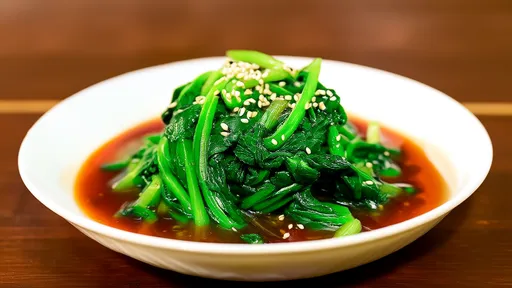
In the ever-evolving landscape of nutritional science and culinary innovation, a simple yet profound dish has captured the attention of health enthusiasts and food lovers alike: spinach salad with high-calcium sesame paste. This humble combination, often overlooked in favor of more exotic superfoods, is emerging as a nutritional powerhouse, particularly for its impressive calcium content that rivals, and in some preparations, surpasses that of dairy milk. The synergy between spinach and specially formulated sesame paste is not just a culinary delight but a testament to how traditional ingredients can be reimagined to meet modern dietary needs.
Food

Clever Tips for Cutting Board Disinfection: Vinegar Spray and Sunbathing for Germ Killing and Odor Removal

By /Aug 20, 2025

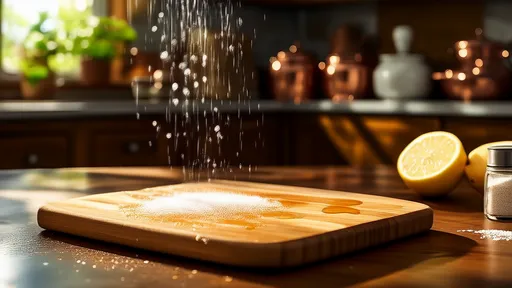
In the quiet corners of every kitchen, a silent battle unfolds daily. It’s a fight against unseen invaders—bacteria, lingering odors, and the gradual wear of one of our most humble yet essential tools: the cutting board. Whether it’s a sturdy wooden slab passed down through generations or a modern plastic variant, this kitchen workhorse endures countless chops, slices, and dices, absorbing juices, flavors, and, unfortunately, germs. Over time, even the most diligent scrubbing can fall short, leaving behind stubborn smells and potential health risks. But what if the solution to restoring its purity and extending its life was already sitting in your pantry, waiting for its moment in the sun?
Food

Secrets to Making Wuhan Sanxian Doupi: Controlling Moisture in Glutinous Rice Steaming for Optimal Texture

By /Aug 20, 2025

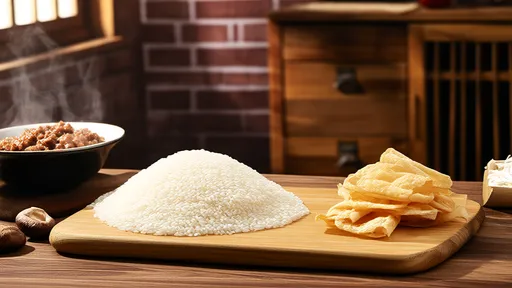
In the bustling streets of Wuhan, amid the sizzle of woks and the aromatic steam of morning markets, lies a culinary secret that has been passed down through generations—the art of Sanxian Doupi. This beloved local delicacy, a harmonious blend of glutinous rice, eggs, and a savory filling, is more than just a dish; it is a testament to the city's rich gastronomic heritage. At the heart of its perfection lies a seemingly simple yet profoundly intricate process: the steaming of glutinous rice to achieve an ideal texture—neither too soft nor too hard, but just right. Mastery over moisture control during this stage separates the amateur from the virtuoso, turning basic ingredients into a symphony of flavors and textures that dance on the palate.
Food

Low-Calorie Oil and Vinegar Dressing: Lemon Juice + Light Soy Sauce, a Great Match for Salads

By /Aug 20, 2025

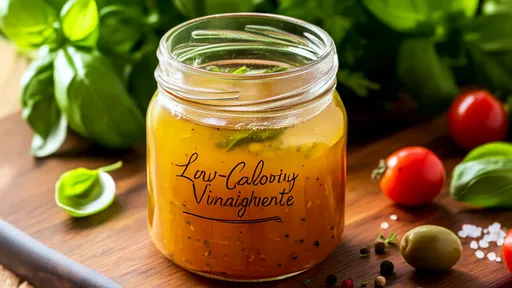
In the ever-evolving world of culinary arts, the quest for the perfect salad dressing remains a constant pursuit for health enthusiasts and gourmands alike. Amidst a sea of creamy, calorie-laden options, a simple yet brilliant combination has emerged as a game-changer: a low-calorie vinaigrette crafted from fresh lemon juice and light soy sauce. This dynamic duo not only promises a burst of flavor but also aligns seamlessly with modern dietary preferences that prioritize wellness without sacrificing taste. The marriage of these two humble ingredients creates a dressing that is both refreshing and deeply savory, proving that sometimes, the most extraordinary creations stem from the simplest of components.
Food

Honey Crystallization Recovery: Soak in 50℃ Warm Water to Return to Liquid State

By /Aug 20, 2025

Honey is one of nature's most remarkable preservatives, a substance so stable that archaeologists have discovered pots of it, still perfectly edible, in ancient Egyptian tombs. Yet, for all its longevity, honey undergoes a natural and often misunderstood transformation in our own pantries: crystallization. This process, where liquid honey turns grainy and solid, is not a sign of spoilage but rather a testament to its purity and natural state. Many consumers, however, view this change with suspicion, mistakenly believing their honey has gone bad. The good news is that the process is entirely reversible. With a simple application of gentle heat, that solidified golden treasure can be restored to its smooth, liquid glory without degrading its delicate flavor and beneficial properties.
Food

The Secret to a Perfectly Beaten Lemon Tea: 30 Whacks to Unlock the Fragrance Threshold

By /Aug 20, 2025

In the bustling streets of modern cities, a curious ritual unfolds daily behind the counters of trendy beverage shops. The sharp, rhythmic thud of a wooden pestle striking against ice and citrus flesh echoes, a percussive prelude to one of summer's most beloved refreshments: hand-pounded lemon tea. This isn't mere preparation; it's a performance, a physical alchemy where brute force is applied with surprising precision. The magic number whispered among artisans is thirty—a specific, almost sacred count of strikes believed to unlock the tea's full potential. But what is the science behind this seemingly arbitrary number? Why thirty, and not twenty-five or thirty-five? The answer lies at the fascinating intersection of food chemistry, sensory perception, and an age-old pursuit of flavor.
Food

Anti-Rust Tips for Knives: Wipe Dry Immediately After Cutting Acidic Foods and Keep Them Shiny

By /Aug 20, 2025

In the quiet hum of a well-used kitchen, the gleam of a well-kept knife is a testament to a cook's respect for their craft. It’s a small, daily ritual that separates the fleeting from the forever—a blade that stays sharp, stays bright, and refuses to succumb to the creeping orange blush of neglect. Among the most sacred of these rituals is the immediate and thorough drying of a blade after it has encountered acidic ingredients. This isn't merely a suggestion from a manual; it is the cornerstone of preserving a tool's soul and edge.
Food

Ginger Anti-Drying Tip: Wrap in Damp Paper Towels and Store in a Bag for No Shrinking in the Fridge

By /Aug 20, 2025

Ginger is a staple in kitchens worldwide, prized for its pungent aroma and versatile flavor profile that enhances both savory and sweet dishes. However, anyone who has purchased fresh ginger knows the frustration of watching it shrivel, dry out, or become moldy far too quickly. Its knobby, irregular shape and thin skin make it particularly susceptible to moisture loss, leading to a rubbery texture and diminished flavor. This common kitchen dilemma often results in wasted food and money, prompting a continuous search for reliable storage solutions. While many methods are touted online and in cookbooks, from burying it in soil to submerging it in vodka, few are as surprisingly effective and simple as the humble wet paper towel technique.
Food

Stevia Baking Experiment: 1:1 Replacement of Sucrose with Erythritol, Successful

By /Aug 20, 2025

In the evolving landscape of health-conscious cooking, the quest for viable sugar alternatives has led many bakers and home enthusiasts to experiment with various substitutes. Among these, erythritol has emerged as a standout candidate, particularly noted for its ability to mimic sucrose in a one-to-one ratio without compromising on taste or texture. Recent baking trials have underscored its efficacy, turning what was once a hopeful alternative into a proven staple in sugar-free and low-carb recipes.
Food

Non-stick Pan Usage Taboo: Start with Cold Pan and Cold Oil to Extend Its Lifespan

By /Aug 20, 2025

In the bustling kitchens of modern homes, non-stick cookware has become an indispensable ally, celebrated for its convenience and ease of cleaning. Yet, for all its popularity, a silent misunderstanding persists—a belief that these pans are nearly indestructible and immune to the nuances of cooking rituals. The reality is far more delicate. The secret to preserving the slick, effortless surface of your favorite skillet lies not in aggressive scrubbing or expensive replacements, but in a profoundly simple, often overlooked principle: starting with a cold pan and cold oil. This method, seemingly counterintuitive to the sizzle and drama of cooking, is the unsung hero in the narrative of cookware longevity.
Food

Iron Wok Seasoning Technique: Oil Coating and Baking After Stir-Frying to Develop a Non-Stick Pan

By /Aug 20, 2025

In the quiet corners of home kitchens and the bustling environments of professional restaurants, a culinary tradition has persisted through generations, whispered from one cook to another like a cherished family secret. The art of seasoning and maintaining a cast iron wok or skillet transcends mere cooking technique; it represents a philosophy of care, patience, and respect for the tools that nourish us. This practice, often referred to as "wok hay" or the spirit of the wok in Chinese culinary culture, is not just about creating non-stick surfaces but about building a relationship with your cookware.
Food

Yunnan Grilled Rice Cake: Soaking Time of Japonica Rice is Key

By /Aug 20, 2025

In the misty highlands of Yunnan, where culinary traditions weave through the tapestry of daily life, one humble street food stands as a testament to the region’s gastronomic identity: grilled rice cakes. To the uninitiated, it might appear as a simple snack—a chewy, grilled disk of rice dough, often slathered with sauce and wrapped around a crispy fried dough stick. Yet for local artisans and discerning eaters, the soul of grilled rice cakes lies not in its accompaniments, but in the very texture of the cake itself—a quality dictated overwhelmingly by one crucial, often overlooked variable: the soaking duration of japonica rice.
Food

Casserole Anti-Cracking Mantra: Avoid Sudden Cold and Heat, Use a Trivet When Removing from Fire

By /Aug 20, 2025

In the quiet hum of a well-stocked kitchen, among the clatter of stainless steel and the gleam of copper, sits a vessel of humble, earthen origins—the clay pot. For generations, these pots have been the silent custodians of flavor, the gentle coaxers of tenderness from the toughest cuts of meat, and the keepers of culinary tradition. Yet, for all their rustic charm and unparalleled cooking properties, they possess a fundamental fragility. The very nature of their construction, a testament to ancient craftsmanship, makes them susceptible to a sudden, dramatic, and often heartbreaking end: the thermal crack.
Food

Cold Brew Green Tea Battle: 4 Hours for Refreshing vs 8 Hours for Rich Flavor

By /Aug 20, 2025

In the quiet corners of tea culture, a subtle revolution brews—one that requires no kettle, no precise temperature gauge, and certainly no rush. Cold brew tea, particularly green tea, has emerged from the shadows of its coffee counterpart to claim its rightful place as a refreshing, nuanced, and profoundly accessible method of preparation. Unlike the quick, heat-driven extraction of traditional brewing, cold brewing is a patient art. It coaxes flavors slowly, gently, and completely, resulting in a beverage that is often smoother, sweeter, and less astringent. For green tea, a category celebrated for its grassy vibrancy and delicate constitution, this method is not just an alternative; for many, it is a revelation.