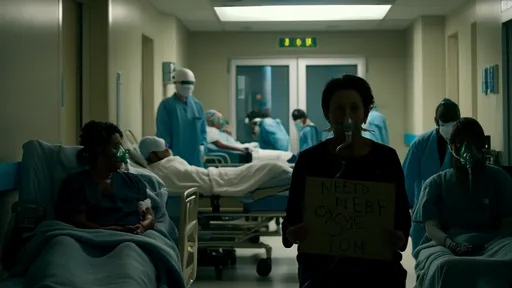
In the quiet corridors of modern medicine, a profound shift is occurring—one that challenges our deepest assumptions about life, death, and what it means to care for someone in their final days. The term "palliative care" often surfaces in these discussions, yet it remains shrouded in misconceptions, most notably the idea that it equates to "giving up." This misunderstanding not only distorts the true nature of palliative care but also deprives countless individuals of the comfort and dignity they deserve at life's end. To move beyond this fallacy is to embrace a more compassionate, holistic approach to healthcare—one that honors the entirety of the human experience, from first breath to last.
The origins of the "giving up" myth are deeply rooted in cultural and medical narratives that prioritize aggressive intervention above all else. For decades, the prevailing model of healthcare has been one of conquest—battling diseases, defeating illnesses, and prolonging life at any cost. In this framework, any deviation from maximal treatment can feel like surrender. Palliative care, with its focus on comfort rather than cure, is often mistakenly positioned in opposition to this fight. However, this binary thinking overlooks a critical truth: palliative care is not about abandoning treatment but about redefining its goals. It shifts the focus from merely extending life to enhancing the quality of life, ensuring that a person's final chapter is not defined by suffering but by peace and purpose.
At its core, palliative care is a specialized medical discipline dedicated to relieving suffering and improving quality of life for people facing serious illnesses. It is appropriate at any age and any stage of a disease and can be provided alongside curative treatments. Imagine a patient undergoing chemotherapy for advanced cancer. The treatment may aim to shrink tumors, but it often brings debilitating side effects—nausea, fatigue, pain. Palliative care steps in here, not to replace the chemotherapy but to support the patient through it. A team of doctors, nurses, social workers, and chaplains works together to manage symptoms, address emotional distress, and align medical decisions with the patient's values and goals. This integrated approach recognizes that healing is not just about the body but about the whole person.
One of the most transformative aspects of palliative care is its emphasis on communication and choice. Too often, patients and families are thrust into medical decisions without a clear understanding of their options or the likely outcomes. Palliative care teams facilitate honest, empathetic conversations about what to expect, helping individuals navigate complex choices without feeling pressured or alone. For instance, a family grappling with a loved one's terminal diagnosis might be torn between continuing aggressive interventions and opting for comfort-focused care. A palliative care specialist can clarify the benefits and burdens of each path, ensuring that the decision reflects the patient's wishes rather than fear or misinformation. This process empowers people to reclaim agency in a situation that often feels overwhelming.
Another layer of misunderstanding surrounds the relationship between palliative care and hospice care. While both share a common philosophy of comfort and dignity, they are not identical. Hospice care is a specific type of palliative care for individuals who are no longer seeking curative treatments and have a prognosis of six months or less to live. In contrast, palliative care can begin much earlier—at the time of diagnosis—and can run parallel to life-prolonging therapies. This distinction is crucial because it expands the reach of palliative principles, allowing people to benefit from its support long before they are considered "terminal." By integrating palliative care early, patients can experience better symptom management, reduced hospitalizations, and even improved survival rates in some cases, debunking the myth that it hastens death.
The evidence supporting palliative care is both robust and compelling. Studies have consistently shown that patients who receive palliative care report higher satisfaction with their care, better pain and symptom control, and less emotional distress. For example, research published in the New England Journal of Medicine found that lung cancer patients who received early palliative care not only had a better quality of life but also lived nearly three months longer than those who received standard care alone. These findings underscore a paradoxical truth: by focusing on quality of life, we sometimes extend it. Moreover, palliative care can alleviate the burden on families, reducing the anxiety and depression often associated with caregiving and bereavement.
Despite its proven benefits, palliative care remains underutilized, partly due to the persistent stigma attached to it. Many healthcare providers, trained in a culture of curative intervention, are slow to refer patients to palliative services. Patients and families, fearing that they are "giving up," may resist these conversations until crises force their hand. This delay can lead to unnecessary suffering, with individuals enduring painful treatments that offer little benefit while forgoing the comfort that palliative care could provide. To bridge this gap, we must reframe the narrative around serious illness and dying, recognizing that comfort care is not a failure but a fundamental aspect of healing.
Cultural attitudes play a significant role in shaping these perceptions. In societies that valorize youth and vitality, death is often viewed as a taboo—a defeat to be postponed at all costs. This mindset can make palliative care seem like a concession rather than a positive choice. However, around the world, communities are beginning to challenge this view. From the death cafes of Europe to the growing advance care planning movements in Asia, people are reclaiming conversations about end-of-life wishes. By normalizing these discussions, we can dismantle the fear and misunderstanding that surround palliative care, fostering a culture where dying well is seen as a natural part of living well.
The practical implementation of palliative care requires a multidisciplinary approach. It is not the sole responsibility of any one professional but a collaborative effort that draws on the expertise of various fields. Physicians manage physical symptoms like pain and shortness of breath, while nurses provide hands-on care and emotional support. Social workers assist with practical concerns, such as navigating insurance or coordinating home care, and chaplains or counselors address spiritual and existential distress. This team-based model ensures that every aspect of a person's well-being is attended to, creating a safety net of compassion that upholds their dignity until the very end.
Technology and innovation are also expanding the reach of palliative care. Telehealth platforms, for instance, allow specialists to consult with patients in remote or underserved areas, bringing expert symptom management and support into their homes. Mobile apps can help individuals track their symptoms, communicate with their care team, and access resources for emotional and spiritual care. These tools not only make palliative care more accessible but also empower patients to take an active role in their journey, reinforcing the principle that they remain at the center of their care.
Ultimately, embracing palliative care is about affirming the value of every moment of life, especially when time is limited. It is a testament to the idea that how we die is as important as how we live. For those facing serious illness, it offers a path marked by clarity, compassion, and control—a far cry from the despair of "giving up." By dispelling the myths that cloud our understanding, we can open the door to a more humane and holistic approach to healthcare, one that honors the full arc of human experience and allows individuals to find meaning and peace in their final days.
As we move forward, the challenge lies in education and advocacy. Healthcare professionals must be trained to initiate palliative conversations early and empathetically. Patients and families need resources to understand their options and advocate for their preferences. And as a society, we must cultivate the courage to confront death not as an enemy to be defeated, but as a reality to be met with grace. In doing so, we can transform the landscape of end-of-life care, ensuring that no one has to face serious illness alone or without the comfort they deserve. The journey toward this future begins with a single, powerful shift: recognizing that palliative care is not about giving up—it is about giving deeply, lovingly, and wholly until the very end.

By /Oct 14, 2025

By /Oct 13, 2025

By /Oct 13, 2025
By /Oct 14, 2025

By /Oct 13, 2025

By Amanda Phillips/Oct 13, 2025

By /Oct 14, 2025

By /Oct 13, 2025

By /Oct 14, 2025

By Laura Wilson/Oct 13, 2025

By David Anderson/Oct 13, 2025

By Grace Cox/Oct 13, 2025

By /Oct 14, 2025

By /Oct 14, 2025

By /Oct 14, 2025

By /Oct 13, 2025

By /Oct 13, 2025

By /Oct 14, 2025

By /Oct 14, 2025

By /Oct 14, 2025
