Nutrition and Health: The Best Time for Moisturizing in Autumn"

Oct 14, 2025 By

As the vibrant greens of summer gradually yield to the golden hues of autumn, a subtle shift occurs not just in the landscape but within our own bodies. The crisp air carries a distinct dryness, a quality recognized for millennia in Traditional Chinese Medicine (TCM) as the dominant climatic factor of the fall season. This environmental shift calls for a corresponding adjustment in our daily habits, particularly in how we nourish ourselves. It is here that the ancient wisdom of "Food as Medicine" finds its profound relevance, offering a timeless guide to navigating the seasonal transition with vitality and resilience.


The concept of "Food as Medicine," or 药食同源 (yào shí tóng yuán), is a cornerstone of Eastern wellness philosophies. It posits that there is no fundamental separation between the substances that nourish us and those that heal us. Long before the advent of modern nutritional science, ancient healers observed that everyday foods possessed inherent properties—warming or cooling, moistening or drying—that could directly influence the body's internal balance. Food was not merely fuel; it was the first and most accessible form of therapy. This holistic view encourages a proactive approach to health, where prevention is woven into the very fabric of our diets, and seasonal eating becomes a deliberate act of self-care.


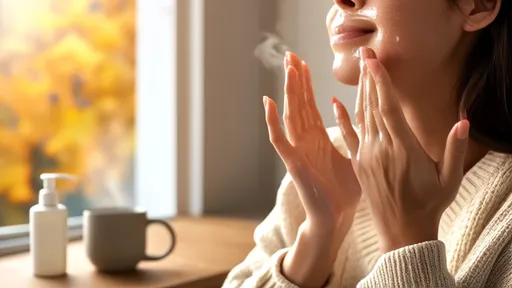
Autumn, in the TCM framework, is intrinsically linked to the Lung and Large Intestine organ systems, and the metal element. The Lungs are considered the most "delicate" organ, as they are the first to interface with the external environment through the breath. They are responsible for governing Qi (vital energy) and respiration, but also for dispersing this Qi and bodily fluids throughout the body to moisten the skin and hair. The Large Intestine, its paired organ, is tasked with elimination, letting go of what is no longer needed. The pervasive dryness of autumn can directly challenge these systems, potentially leading to a constellation of discomforts that many of us experience but may not connect to the season: a dry, tickly cough, a parched throat, rough and flaky skin, chapped lips, dry nasal passages, and even a tendency towards constipation. Emotionally, this season can evoke feelings of grief or melancholy, as it is a natural time of letting go.


To counter this autumnal aridity, the guiding principle for fall nourishment is to moisten and lubricate. The goal is to incorporate foods that inherently possess hydrating, demulcent, and yin-nourishing qualities. These foods help to generate and conserve the body's own fluids, protecting the respiratory tract and skin from the harsh, dry air. Simultaneously, it is wise to begin a gentle shift away from the raw, cold, and overly expansive foods of summer—like abundant salads and icy drinks—which can be taxing on the digestive system as the weather cools. Instead, we turn towards gently cooked, warming, and slightly richer foods that support the body's need for deeper nourishment and insulation against the coming cold.


Among the most celebrated heroes of the autumn pantry is the humble pear. In TCM, pears are considered sweet, slightly sour, and cooling, with a strong affinity for the Lung channel. Their juicy, crisp flesh is nature's perfect antidote to autumn dryness. They are renowned for their ability to moisten the Lungs, clear heat, dissolve phlegm, and relieve coughs. While delicious raw, their cooling nature can sometimes be a bit much for sensitive digestion. A classic and highly effective remedy is to gently poach or steam pears, often with a touch of honey, which itself is a moistening and lung-tonifying agent. This simple preparation transforms the fruit into a deeply soothing, therapeutic dessert or snack that directly addresses the season's primary challenge.


Another cornerstone of autumnal wellness is the versatile lotus root. This unique vegetable, with its beautiful, perforated structure, is symbolically and functionally connected to the respiratory system. It is exceptionally effective at clearing heat from the Lungs, moistening dryness, and nourishing the blood. Its astringent properties also make it useful for stabilizing the body. Lotus root can be sliced and added to soups and stir-fries, or its juice can be extracted and consumed for a more potent effect on relieving dry coughs and thirst.


No discussion of fall nourishment is complete without the mighty root vegetables. As the energy of nature draws inward and downward, it concentrates in the roots of plants. Foods like sweet potatoes, carrots, pumpkins, and burdock are at their nutritional peak. They are naturally sweet and grounding, providing sustained energy and supporting the digestive Spleen and Stomach. Their vibrant orange and yellow hues are indicative of high beta-carotene content, which supports mucous membrane health—a key defense against dryness. Roasted, mashed, or simmered into soups, these vegetables form the hearty, comforting base of autumn meals.


For a protein-rich option that aligns with the season, look no further than walnuts. Resembling the human brain, they have long been associated with cognitive function, but in TCM, they are also prized for their ability to warm and tonify the Kidneys (the root of our vitality) and to moisten the Intestines, helping to alleviate dryness-related constipation. Their rich oil content helps to lubricate the body from within. A small handful each day can be a powerful supportive food.


Beyond individual ingredients, the very method of preparation becomes a form of medicine in the autumn. Slow-cooked soups, broths, and congees (rice porridges) are the quintessential vessels for fall nourishment. The long, gentle cooking process breaks down ingredients, making their nutrients highly bioavailable and easy to digest. It also imbues the food with hydrating warmth, which is precisely what the body craves as temperatures drop. A simple chicken soup with goji berries and astragalus root, or a mushroom and barley broth, becomes more than a meal; it is a liquid tonic that hydrates, strengthens Wei Qi (defensive immunity), and comforts the spirit.


While embracing these moistening foods, it is equally important to be mindful of those that can exacerbate dryness. During autumn, it is beneficial to reduce or avoid excessive intake of spicy, pungent foods like raw onions, garlic, and chilies, as their dispersing nature can promote sweating and further deplete fluids. Similarly, overly dry, baked, and fried foods can contribute to internal dryness. Caffeine and alcohol, both diuretics, should also be consumed in moderation, as they have a drying effect on the body.


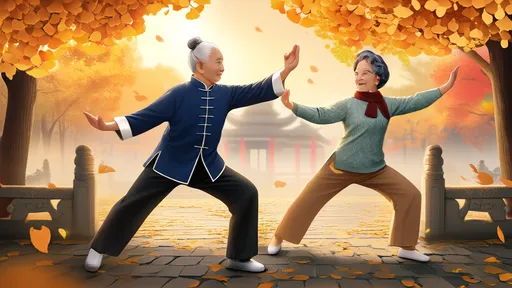
The philosophy of 药食同源 extends beyond the plate. True nourishment in autumn is a holistic practice. It involves matching our rhythm to that of the natural world. This means allowing for more rest, going to bed a little earlier as the nights draw in, and engaging in calming practices like gentle yoga, tai chi, or quiet walks in nature to soothe the spirit and gather our energy inward. Staying adequately hydrated with warm water or herbal teas, such as chrysanthemum or marshmallow root tea, is a simple yet critical component of combating dryness.


Ultimately, the practice of autumn nurturing through food is an act of profound awareness and intention. It is an invitation to slow down, to listen to the subtle cues of our bodies, and to align our habits with the wisdom of the natural cycles. By consciously choosing foods that moisten, nourish, and ground us, we do more than just prevent a seasonal cough or dry skin. We fortify our foundational health, support our emotional equilibrium, and cultivate a deep sense of inner well-being. In embracing the principle of Food as Medicine, we transform our daily meals into a sacred ritual of self-care, ensuring that we not only survive the autumn months but thrive through them with grace, vitality, and radiant health.



Recommend Posts
Health

AI in Global Health Systems

By /Oct 14, 2025

The global health landscape is undergoing a profound transformation, driven by the relentless advancement of artificial intelligence. From remote rural clinics to sprawling metropolitan research centers, AI technologies are weaving themselves into the very fabric of healthcare delivery, promising a future that is more predictive, personalized, and accessible. This is not merely an incremental improvement; it is a fundamental shift in how we understand, diagnose, and treat disease on a planetary scale. The potential to address long-standing inequities and leapfrog over traditional infrastructural limitations has never been more tangible.
Health

Gaza's Malnourished Children Urgently Need Aid, UN Calls for Opening All Crossings

By /Oct 13, 2025

In the cramped corridors of Gaza's remaining hospitals, doctors are facing a medical phenomenon they haven't witnessed on this scale in decades: a rapid and severe surge in child malnutrition. The tiny, listless bodies of infants and young children are becoming a common sight, their sunken eyes and protruding ribs telling a silent story of a deepening humanitarian catastrophe. This is not a gradual decline but a precipitous collapse of nutritional health, directly stemming from what aid agencies are calling a man-made famine, fueled by a crippling blockade that has severed the lifeline of food, clean water, and medicine.
Health

Dynamic Tracking of Planetary Health with 48,000 Variables to Construct a Panoramic Map

By /Oct 13, 2025

In a groundbreaking fusion of artificial intelligence and planetary science, researchers have unveiled a revolutionary approach to monitoring Earth's health through the lens of large language models. This ambitious project, spanning multiple international research institutions, has developed a comprehensive framework that analyzes 48,000 distinct variables to construct what scientists are calling the most complete portrait of planetary wellbeing ever attempted.
Health

Fighting for Breath: Patients Call for Oxygen Reform

By /Oct 14, 2025

In the sterile corridors of hospitals and the quiet desperation of homes, a silent battle is being waged. It's a fight for the most fundamental human need: breath. Across the globe, patients with chronic respiratory conditions are raising their voices, demanding what many take for granted—reliable access to medical oxygen. Their stories form a tapestry of struggle, resilience, and an urgent call for systemic reform that can no longer be ignored.
Health

Global Health Forum Emphasizes Cooperation to Address Shared Challenges

By /Oct 13, 2025

In an era defined by interconnected crises and shared vulnerabilities, the Global Health Forum has emerged as a critical platform for fostering international cooperation. The recent gathering, held against a backdrop of lingering pandemic aftershocks and emerging health threats, underscored a fundamental truth: no nation can build a fortress high enough to isolate itself from global health challenges. The forum’s central theme, "Collaborative Action for Shared Challenges," resonated through every panel discussion and diplomatic exchange, moving beyond mere rhetoric to outline tangible pathways for a unified response.
Health

American Lung Association Joins Global Entities in Signing Historic Healthy Indoor Air Commitment"

By Amanda Phillips/Oct 13, 2025

A groundbreaking commitment to improving indoor air quality has been made with the signing of the "Healthy Indoor Air Pledge" by the American Lung Association and a coalition of global partners. This historic agreement signifies a collective effort to address the often-overlooked issue of air pollution within our homes, schools, and workplaces, which can have significant impacts on public health.
Health

Indoor Air Pollution: The Hidden Health Hazard

By /Oct 14, 2025

In the quiet comfort of our homes, an invisible threat lingers in the air we breathe. While outdoor pollution dominates environmental discussions, the air inside our living spaces often harbors contaminants at concentrations two to five times higher than outdoor levels, according to the Environmental Protection Agency. This silent epidemic of indoor air pollution represents one of modern society's most overlooked public health challenges, affecting millions worldwide in the very spaces where they should feel safest.
Health

Health Guide for Cold Dew Solar Term: Be Alert to Cardiovascular and Respiratory Diseases

By /Oct 13, 2025

As the crisp autumn air settles in and leaves begin their vibrant transformation, the ancient Chinese solar term of Hanlu arrives, marking a pivotal transition in the seasonal cycle. Known as the "Cold Dew," this period around early to mid-October signals a definitive shift from the mild temperatures of early autumn to the sharper chill that precedes winter. Beyond its poetic significance in the agricultural calendar, Hanlu carries profound implications for human health, particularly concerning the delicate systems of the cardiovascular network and respiratory pathways.
Health

Nutrition and Health: The Best Time for Moisturizing in Autumn"

By /Oct 14, 2025

As the vibrant greens of summer gradually yield to the golden hues of autumn, a subtle shift occurs not just in the landscape but within our own bodies. The crisp air carries a distinct dryness, a quality recognized for millennia in Traditional Chinese Medicine (TCM) as the dominant climatic factor of the fall season. This environmental shift calls for a corresponding adjustment in our daily habits, particularly in how we nourish ourselves. It is here that the ancient wisdom of "Food as Medicine" finds its profound relevance, offering a timeless guide to navigating the seasonal transition with vitality and resilience.
Health

Enhancing Palliative Care Quality through Technological Innovation

By Laura Wilson/Oct 13, 2025

Palliative care, often referred to as end-of-life care, is a critical aspect of healthcare that focuses on providing relief from the symptoms and stress of a serious illness. It aims to improve the quality of life for both the patient and their family. With the rapid advancement of technology, there is a growing opportunity to enhance the quality of palliative care through innovative solutions. One such innovation is the integration of remote会诊 and pain management systems, which are now being implemented to improve patient outcomes and satisfaction.
Health

Sadness in Spring and Autumn: Scientific Basis and Groups to Watch Out for in Autumn"

By David Anderson/Oct 13, 2025

The golden leaves begin their descent, the air turns crisp, and the days grow noticeably shorter. For many, autumn is a season of breathtaking beauty and cozy comforts. Yet, for a significant portion of the population, this seasonal shift brings with it a subtle, creeping melancholy—a phenomenon often poetically termed "autumn anxiety" or "autumn blues," a modern echo of the ancient literary sentiment of grieving over autumn.
Health

Addressing Radon Gas Concerns in Schools: A Preventative Approach to Lung Cancer

By Grace Cox/Oct 13, 2025

Radon gas, an invisible, odorless, and tasteless radioactive gas, has been a growing concern in recent years due to its potential to cause lung cancer. It is the second leading cause of lung cancer in many countries, with only smoking being a more significant risk factor. The presence of radon in schools has raised alarm bells among educators, parents, and health professionals, as children and staff spend a significant portion of their day in these environments. This article delves into the issue of radon in schools, its health implications, and the steps that can be taken to mitigate the risks associated with this silent threat.
Health

Focusing on Women and Children's Health, Investing in the Future"

By /Oct 14, 2025

In the quiet corridors of a rural health clinic, a young mother cradles her newborn while listening intently to a community health worker explain the importance of breastfeeding and immunization. This simple scene, repeated countless times across the globe, represents one of humanity's most profound investments—the commitment to maternal and child health that forms the foundation of thriving societies.
Health

Digital Technology Infuses Warmth into Palliative Care

By /Oct 14, 2025

In the quiet corridors of hospice care facilities, where life's final chapters unfold with profound dignity, a technological revolution is quietly taking root. Far from the cold, sterile image often associated with digital innovation, these technological advancements are bringing unexpected warmth and human connection to end-of-life care. The integration of digital technology in palliative care represents not a replacement for human touch, but rather an enhancement of it, creating new possibilities for comfort, communication, and legacy.
Health

Breaking Stigma, Embracing Mental Health

By /Oct 14, 2025

In the quiet corners of our lives, where whispers echo louder than shouts, there exists a silent epidemic that has shaped generations. Mental health, once relegated to hushed conversations and shadowed rooms, now stands at the forefront of our collective consciousness. The journey toward understanding and acceptance has been long and arduous, paved with misconceptions and fortified by stigma. Yet here we stand, at a pivotal moment in history where the conversation is shifting from why we should talk about mental health to how we can embrace it fully.
Health

Long-term High-Salt Diet and Obesity as Major Risk Factors for Hypertension

By /Oct 13, 2025

In the intricate tapestry of modern health challenges, two seemingly distinct threads—high salt consumption and obesity—have emerged as dominant patterns in the development of hypertension. This silent epidemic of elevated blood pressure affects millions globally, yet its primary drivers remain deeply embedded in our daily lifestyles. The relationship between what we eat, how much we weigh, and the pressure coursing through our arteries is more profound than many realize, creating a perfect storm of cardiovascular risk that begins at the dinner table and manifests in doctor's offices years later.
Health

Zambia's Cumulative Monkeypox Cases Reach 285

By /Oct 13, 2025

The Zambian health authorities have confirmed a total of 285 cumulative cases of monkeypox across the country, marking a significant public health challenge for the southern African nation. This development comes amid growing concerns about the spread of the viral disease beyond its traditional endemic areas, with Zambia now joining several other African countries grappling with outbreaks. The rising case numbers have prompted health officials to implement enhanced surveillance and containment measures while working to educate the public about prevention strategies.
Health

Saying Goodbye to the Giving Up on Treatment" Misconception: Understanding True Palliative Care

By /Oct 14, 2025

In the quiet corridors of modern medicine, a profound shift is occurring—one that challenges our deepest assumptions about life, death, and what it means to care for someone in their final days. The term "palliative care" often surfaces in these discussions, yet it remains shrouded in misconceptions, most notably the idea that it equates to "giving up." This misunderstanding not only distorts the true nature of palliative care but also deprives countless individuals of the comfort and dignity they deserve at life's end. To move beyond this fallacy is to embrace a more compassionate, holistic approach to healthcare—one that honors the entirety of the human experience, from first breath to last.
Health

Health Challenges and Responses under the Climate Crisis

By /Oct 14, 2025

The sky over the metropolis had taken on a peculiar, almost jaundiced hue for the third time that summer. It wasn't the familiar smog of industry, but a thick, particulate haze from wildfires burning hundreds of miles away. In hospital emergency rooms, doctors noted a silent, creeping influx—not of burns, but of strained breaths, aggravated asthma, and anxious patients complaining of tightness in their chests. This scene, repeating itself from Sydney to San Francisco, is a visceral, daily reminder of a truth we can no longer ignore: the climate crisis is not a distant environmental abstraction; it is a profound and present public health emergency. The very systems that sustain human life—the air we breathe, the water we drink, the food we eat, and the stability of our climate—are under direct assault, and our health is the primary battleground.
Health

Autumn Blues" Hits, How's Your Mood?

By /Oct 14, 2025

As the vibrant greens of summer gradually surrender to the fiery palette of autumn, a subtle shift occurs not just in the environment but within the human psyche. The crispness in the air, the melancholic rustle of falling leaves, and the gradual shortening of daylight hours can usher in a peculiar emotional state for many. This phenomenon, often poetically termed "Autumn Sorrow" or more clinically linked to seasonal affective patterns, raises an important question as we navigate this transitional period: How is your mood holding up?