Sadness in Spring and Autumn: Scientific Basis and Groups to Watch Out for in Autumn"

Oct 13, 2025 By David Anderson

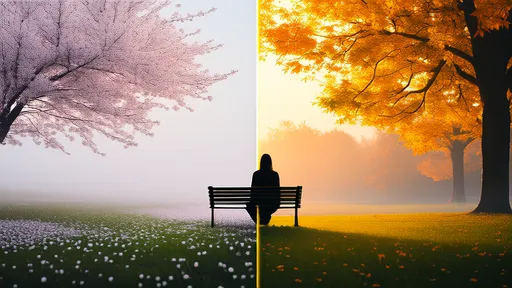
The golden leaves begin their descent, the air turns crisp, and the days grow noticeably shorter. For many, autumn is a season of breathtaking beauty and cozy comforts. Yet, for a significant portion of the population, this seasonal shift brings with it a subtle, creeping melancholy—a phenomenon often poetically termed "autumn anxiety" or "autumn blues," a modern echo of the ancient literary sentiment of grieving over autumn.


While the phrase "grieving over spring and autumn" originates from classical Chinese poetry, describing a sentimental sorrow triggered by the changing seasons, modern science is increasingly validating its core premise. The human connection to seasonal cycles is not merely poetic; it is biological, psychological, and deeply ingrained in our evolutionary history. The transition into autumn, in particular, acts as a powerful environmental cue that can significantly impact our mental well-being.


The Science Behind the Sorrow: More Than Just a Feeling


The scientific basis for the autumn blues is multifaceted, rooted in our body's intricate response to environmental changes. The most significant factor is the reduction in daylight hours. Our brains rely on sunlight to regulate circadian rhythms—the internal 24-hour clock that governs sleep-wake cycles, hormone release, and other vital functions. The suprachiasmatic nucleus (SCN), a tiny region in the hypothalamus, acts as the master clock, and it is highly sensitive to light information received through our eyes.


As daylight diminishes in autumn, the SCN sends signals that disrupt the production of key neurotransmitters. Serotonin, often called the "feel-good" hormone, is heavily influenced by sunlight exposure. Less sunlight can lead to decreased serotonin levels, which is closely linked to feelings of depression, anxiety, and low mood. Concurrently, the longer nights trigger an earlier and increased release of melatonin, the hormone responsible for sleep. This shift can lead to symptoms of hypersomnia (excessive sleepiness), lethargy, and a general lack of energy, creating a physiological foundation for the sense of sadness and withdrawal associated with the season.


Furthermore, the change in seasons can disrupt our daily routines. Summer often encourages outdoor social activities, spontaneous trips, and a more flexible schedule. Autumn's arrival, with its colder weather and shorter days, can force a contraction of this social and physical world. This reduction in rewarding activities and social interaction can itself be a potent trigger for low mood, creating a feedback loop where one feels less inclined to engage, thereby worsening the feelings of isolation.


Who is Most Vulnerable? Identifying the At-Risk Populations


While almost everyone can feel a slight shift in energy as summer fades, certain groups are far more susceptible to experiencing clinically significant distress during the autumn months. It is crucial for individuals in these categories, and those who care for them, to be particularly vigilant.


Individuals with a History of Mood Disorders: People with a prior diagnosis of major depressive disorder or anxiety disorders are at a heightened risk. The seasonal change can act as a powerful stressor, potentially triggering a new depressive episode or exacerbating existing symptoms. The biological shifts can feel overwhelming to a brain already vulnerable to chemical imbalances.


Those with Seasonal Affective Disorder (SAD): SAD is a subtype of major depression that follows a seasonal pattern, most commonly beginning in the fall and continuing through the winter. For these individuals, the autumn blues are not a mild inconvenience but a debilitating condition characterized by persistent low mood, loss of interest in activities, significant changes in sleep and appetite, and difficulties with concentration. The onset of autumn is a clear and predictable warning sign for them.


People Living in Northern Latitudes: Geographical location plays a critical role. Those living farther from the equator experience more dramatic shifts in daylight hours between summer and winter. Residents of regions like Scandinavia, the northern United States, Canada, and the United Kingdom are exposed to significantly less sunlight during autumn and winter, amplifying the biological effects on their circadian rhythms and neurotransmitter production.


The Elderly and Those Living Alone: Social and physical factors compound the biological ones. Older adults may already face challenges with mobility and social isolation. The colder weather can further limit their ability to leave home and engage with their community, intensifying feelings of loneliness. Similarly, individuals who live alone may find the cozy, family-oriented imagery of autumn to be a painful contrast to their reality, leading to increased feelings of solitude.


Students and Young Adults Facing Transitions: Autumn marks the start of the academic year. For students, this period is associated with significant stress, academic pressure, and often a change in social environments. The combination of this psychological stress and the diminishing daylight can create a perfect storm for anxiety and depressive symptoms. Young adults navigating career changes or living away from family for the first time can also be uniquely affected.


Navigating the Seasonal Shift: Proactive Strategies for Mental Well-being


Acknowledging the validity of these autumnal feelings is the first step. The next is to adopt proactive, evidence-based strategies to mitigate their impact. This is not about fighting the season, but about adapting to it in a healthy and supportive way.


Maximize Light Exposure: Since light deprivation is a primary culprit, seeking out light is paramount. Make a conscious effort to spend time outdoors during daylight hours, even on overcast days, as the natural light is still far more intense than indoor lighting. A daily 30-minute walk in the morning can work wonders. For those in severely light-deprived areas, light therapy boxes, which mimic natural outdoor light, have proven highly effective. Daily sessions in front of a 10,000-lux light box can help suppress melatonin and boost serotonin, effectively "resetting" the internal clock.


Maintain a Consistent Routine: The body and mind crave predictability, especially when external cues are changing. Stick to a regular schedule for waking up, eating meals, and going to bed, even on weekends. This helps stabilize circadian rhythms and provides a sense of control and normalcy. Incorporating daily exercise into this routine is especially powerful, as physical activity is a proven mood booster and can help counteract lethargy.


Cultivate Cozy and Connection: Reframe the season. Instead of viewing autumn as a time of loss, embrace its unique opportunities for "hygge"—the Danish concept of cozy contentment. Create a warm and inviting home environment. However, balance this cozy solitude with intentional social connection. Make plans with friends and family. Join a club or group that meets regularly. Social support is a critical buffer against depression, and scheduled activities can provide motivation to leave the house.


Mind Your Diet: The craving for carbohydrates and sugary "comfort foods" is common as serotonin levels dip. While these foods provide a temporary mood lift, they often lead to an energy crash later. Focus on a balanced diet rich in complex carbohydrates (like whole grains and vegetables), lean proteins, and Omega-3 fatty acids (found in fish), which have been shown to support brain health and stabilize mood.


Practice Mindfulness and Self-Compassion: Pay attention to your internal state without judgment. If you notice feelings of sadness or anxiety arising, acknowledge them as a natural response to the season rather than a personal failing. Meditation, deep-breathing exercises, and journaling can help manage stress and prevent negative thought patterns from spiraling.


When to Seek Professional Help


It is vital to recognize when the "autumn blues" cross the line into something more serious. If low mood, loss of interest, changes in sleep or appetite, feelings of worthlessness, or difficulties concentrating persist for most of the day, nearly every day, for two weeks or more, and they significantly interfere with your work, social life, or daily functioning, it is time to seek help.


Consulting a doctor or a mental health professional is a sign of strength. They can provide an accurate diagnosis, rule out other medical conditions, and recommend appropriate treatment. This may include talk therapy (such as Cognitive Behavioral Therapy tailored for SAD), antidepressant medication, or a combination of both. There is no shame in seeking support; it is the most responsible step one can take for their long-term health and happiness.


In conclusion, the wistful sorrow associated with autumn, long captured in art and literature, is far from a mere cultural construct. It is a real psychological experience with a solid scientific foundation. By understanding the biological mechanisms, identifying our personal vulnerability, and taking proactive, compassionate steps to care for our mental state, we can navigate the shorter days and longer nights not just with resilience, but with a sense of grace and well-being. The falling leaves need not signal a fall in spirit.


Recommend Posts
Health

AI in Global Health Systems

By /Oct 14, 2025

The global health landscape is undergoing a profound transformation, driven by the relentless advancement of artificial intelligence. From remote rural clinics to sprawling metropolitan research centers, AI technologies are weaving themselves into the very fabric of healthcare delivery, promising a future that is more predictive, personalized, and accessible. This is not merely an incremental improvement; it is a fundamental shift in how we understand, diagnose, and treat disease on a planetary scale. The potential to address long-standing inequities and leapfrog over traditional infrastructural limitations has never been more tangible.
Health

Gaza's Malnourished Children Urgently Need Aid, UN Calls for Opening All Crossings

By /Oct 13, 2025

In the cramped corridors of Gaza's remaining hospitals, doctors are facing a medical phenomenon they haven't witnessed on this scale in decades: a rapid and severe surge in child malnutrition. The tiny, listless bodies of infants and young children are becoming a common sight, their sunken eyes and protruding ribs telling a silent story of a deepening humanitarian catastrophe. This is not a gradual decline but a precipitous collapse of nutritional health, directly stemming from what aid agencies are calling a man-made famine, fueled by a crippling blockade that has severed the lifeline of food, clean water, and medicine.
Health

Dynamic Tracking of Planetary Health with 48,000 Variables to Construct a Panoramic Map

By /Oct 13, 2025

In a groundbreaking fusion of artificial intelligence and planetary science, researchers have unveiled a revolutionary approach to monitoring Earth's health through the lens of large language models. This ambitious project, spanning multiple international research institutions, has developed a comprehensive framework that analyzes 48,000 distinct variables to construct what scientists are calling the most complete portrait of planetary wellbeing ever attempted.
Health

Fighting for Breath: Patients Call for Oxygen Reform

By /Oct 14, 2025

In the sterile corridors of hospitals and the quiet desperation of homes, a silent battle is being waged. It's a fight for the most fundamental human need: breath. Across the globe, patients with chronic respiratory conditions are raising their voices, demanding what many take for granted—reliable access to medical oxygen. Their stories form a tapestry of struggle, resilience, and an urgent call for systemic reform that can no longer be ignored.
Health

Global Health Forum Emphasizes Cooperation to Address Shared Challenges

By /Oct 13, 2025

In an era defined by interconnected crises and shared vulnerabilities, the Global Health Forum has emerged as a critical platform for fostering international cooperation. The recent gathering, held against a backdrop of lingering pandemic aftershocks and emerging health threats, underscored a fundamental truth: no nation can build a fortress high enough to isolate itself from global health challenges. The forum’s central theme, "Collaborative Action for Shared Challenges," resonated through every panel discussion and diplomatic exchange, moving beyond mere rhetoric to outline tangible pathways for a unified response.
Health

American Lung Association Joins Global Entities in Signing Historic Healthy Indoor Air Commitment"

By Amanda Phillips/Oct 13, 2025

A groundbreaking commitment to improving indoor air quality has been made with the signing of the "Healthy Indoor Air Pledge" by the American Lung Association and a coalition of global partners. This historic agreement signifies a collective effort to address the often-overlooked issue of air pollution within our homes, schools, and workplaces, which can have significant impacts on public health.
Health

Indoor Air Pollution: The Hidden Health Hazard

By /Oct 14, 2025

In the quiet comfort of our homes, an invisible threat lingers in the air we breathe. While outdoor pollution dominates environmental discussions, the air inside our living spaces often harbors contaminants at concentrations two to five times higher than outdoor levels, according to the Environmental Protection Agency. This silent epidemic of indoor air pollution represents one of modern society's most overlooked public health challenges, affecting millions worldwide in the very spaces where they should feel safest.
Health

Health Guide for Cold Dew Solar Term: Be Alert to Cardiovascular and Respiratory Diseases

By /Oct 13, 2025

As the crisp autumn air settles in and leaves begin their vibrant transformation, the ancient Chinese solar term of Hanlu arrives, marking a pivotal transition in the seasonal cycle. Known as the "Cold Dew," this period around early to mid-October signals a definitive shift from the mild temperatures of early autumn to the sharper chill that precedes winter. Beyond its poetic significance in the agricultural calendar, Hanlu carries profound implications for human health, particularly concerning the delicate systems of the cardiovascular network and respiratory pathways.
Health

Nutrition and Health: The Best Time for Moisturizing in Autumn"

By /Oct 14, 2025

As the vibrant greens of summer gradually yield to the golden hues of autumn, a subtle shift occurs not just in the landscape but within our own bodies. The crisp air carries a distinct dryness, a quality recognized for millennia in Traditional Chinese Medicine (TCM) as the dominant climatic factor of the fall season. This environmental shift calls for a corresponding adjustment in our daily habits, particularly in how we nourish ourselves. It is here that the ancient wisdom of "Food as Medicine" finds its profound relevance, offering a timeless guide to navigating the seasonal transition with vitality and resilience.
Health

Enhancing Palliative Care Quality through Technological Innovation

By Laura Wilson/Oct 13, 2025

Palliative care, often referred to as end-of-life care, is a critical aspect of healthcare that focuses on providing relief from the symptoms and stress of a serious illness. It aims to improve the quality of life for both the patient and their family. With the rapid advancement of technology, there is a growing opportunity to enhance the quality of palliative care through innovative solutions. One such innovation is the integration of remote会诊 and pain management systems, which are now being implemented to improve patient outcomes and satisfaction.
Health

Sadness in Spring and Autumn: Scientific Basis and Groups to Watch Out for in Autumn"

By David Anderson/Oct 13, 2025

The golden leaves begin their descent, the air turns crisp, and the days grow noticeably shorter. For many, autumn is a season of breathtaking beauty and cozy comforts. Yet, for a significant portion of the population, this seasonal shift brings with it a subtle, creeping melancholy—a phenomenon often poetically termed "autumn anxiety" or "autumn blues," a modern echo of the ancient literary sentiment of grieving over autumn.
Health

Addressing Radon Gas Concerns in Schools: A Preventative Approach to Lung Cancer

By Grace Cox/Oct 13, 2025

Radon gas, an invisible, odorless, and tasteless radioactive gas, has been a growing concern in recent years due to its potential to cause lung cancer. It is the second leading cause of lung cancer in many countries, with only smoking being a more significant risk factor. The presence of radon in schools has raised alarm bells among educators, parents, and health professionals, as children and staff spend a significant portion of their day in these environments. This article delves into the issue of radon in schools, its health implications, and the steps that can be taken to mitigate the risks associated with this silent threat.
Health

Focusing on Women and Children's Health, Investing in the Future"

By /Oct 14, 2025

In the quiet corridors of a rural health clinic, a young mother cradles her newborn while listening intently to a community health worker explain the importance of breastfeeding and immunization. This simple scene, repeated countless times across the globe, represents one of humanity's most profound investments—the commitment to maternal and child health that forms the foundation of thriving societies.
Health

Digital Technology Infuses Warmth into Palliative Care

By /Oct 14, 2025

In the quiet corridors of hospice care facilities, where life's final chapters unfold with profound dignity, a technological revolution is quietly taking root. Far from the cold, sterile image often associated with digital innovation, these technological advancements are bringing unexpected warmth and human connection to end-of-life care. The integration of digital technology in palliative care represents not a replacement for human touch, but rather an enhancement of it, creating new possibilities for comfort, communication, and legacy.
Health

Breaking Stigma, Embracing Mental Health

By /Oct 14, 2025

In the quiet corners of our lives, where whispers echo louder than shouts, there exists a silent epidemic that has shaped generations. Mental health, once relegated to hushed conversations and shadowed rooms, now stands at the forefront of our collective consciousness. The journey toward understanding and acceptance has been long and arduous, paved with misconceptions and fortified by stigma. Yet here we stand, at a pivotal moment in history where the conversation is shifting from why we should talk about mental health to how we can embrace it fully.
Health

Long-term High-Salt Diet and Obesity as Major Risk Factors for Hypertension

By /Oct 13, 2025

In the intricate tapestry of modern health challenges, two seemingly distinct threads—high salt consumption and obesity—have emerged as dominant patterns in the development of hypertension. This silent epidemic of elevated blood pressure affects millions globally, yet its primary drivers remain deeply embedded in our daily lifestyles. The relationship between what we eat, how much we weigh, and the pressure coursing through our arteries is more profound than many realize, creating a perfect storm of cardiovascular risk that begins at the dinner table and manifests in doctor's offices years later.
Health

Zambia's Cumulative Monkeypox Cases Reach 285

By /Oct 13, 2025

The Zambian health authorities have confirmed a total of 285 cumulative cases of monkeypox across the country, marking a significant public health challenge for the southern African nation. This development comes amid growing concerns about the spread of the viral disease beyond its traditional endemic areas, with Zambia now joining several other African countries grappling with outbreaks. The rising case numbers have prompted health officials to implement enhanced surveillance and containment measures while working to educate the public about prevention strategies.
Health

Saying Goodbye to the Giving Up on Treatment" Misconception: Understanding True Palliative Care

By /Oct 14, 2025

In the quiet corridors of modern medicine, a profound shift is occurring—one that challenges our deepest assumptions about life, death, and what it means to care for someone in their final days. The term "palliative care" often surfaces in these discussions, yet it remains shrouded in misconceptions, most notably the idea that it equates to "giving up." This misunderstanding not only distorts the true nature of palliative care but also deprives countless individuals of the comfort and dignity they deserve at life's end. To move beyond this fallacy is to embrace a more compassionate, holistic approach to healthcare—one that honors the entirety of the human experience, from first breath to last.
Health

Health Challenges and Responses under the Climate Crisis

By /Oct 14, 2025

The sky over the metropolis had taken on a peculiar, almost jaundiced hue for the third time that summer. It wasn't the familiar smog of industry, but a thick, particulate haze from wildfires burning hundreds of miles away. In hospital emergency rooms, doctors noted a silent, creeping influx—not of burns, but of strained breaths, aggravated asthma, and anxious patients complaining of tightness in their chests. This scene, repeating itself from Sydney to San Francisco, is a visceral, daily reminder of a truth we can no longer ignore: the climate crisis is not a distant environmental abstraction; it is a profound and present public health emergency. The very systems that sustain human life—the air we breathe, the water we drink, the food we eat, and the stability of our climate—are under direct assault, and our health is the primary battleground.
Health

Autumn Blues" Hits, How's Your Mood?

By /Oct 14, 2025

As the vibrant greens of summer gradually surrender to the fiery palette of autumn, a subtle shift occurs not just in the environment but within the human psyche. The crispness in the air, the melancholic rustle of falling leaves, and the gradual shortening of daylight hours can usher in a peculiar emotional state for many. This phenomenon, often poetically termed "Autumn Sorrow" or more clinically linked to seasonal affective patterns, raises an important question as we navigate this transitional period: How is your mood holding up?