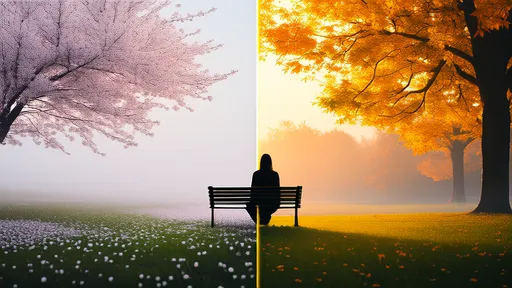
As the vibrant greens of summer gradually surrender to the fiery palette of autumn, a subtle shift occurs not just in the environment but within the human psyche. The crispness in the air, the melancholic rustle of falling leaves, and the gradual shortening of daylight hours can usher in a peculiar emotional state for many. This phenomenon, often poetically termed "Autumn Sorrow" or more clinically linked to seasonal affective patterns, raises an important question as we navigate this transitional period: How is your mood holding up?
The connection between autumn and a dip in spirits is not merely a modern construct or a figment of poetic imagination. It is a deeply rooted experience, observed across cultures and centuries. There is a tangible weight to this season. The intense energy and social exuberance of summer begin to wane, making way for a more introspective and, at times, somber atmosphere. The world itself seems to be in a state of graceful decay, a beautiful reminder of impermanence that can unconsciously trigger reflections on our own lives, our passages of time, and the things we have lost. It is a natural pivot from external expansion to internal contemplation.
The Science Behind the Seasonal Slump
Beyond the poetic metaphors, there is a robust biological underpinning to why autumn can affect our mood so profoundly. The primary culprit is light, or rather, the lack of it. Our bodies operate on a finely tuned internal clock known as the circadian rhythm, which is heavily influenced by sunlight. The reduced exposure to natural light as days grow shorter can disrupt this rhythm, leading to a cascade of physiological effects.
One of the most significant impacts is on the production of melatonin, the hormone responsible for regulating sleep. With less daylight, our bodies may produce more melatonin, leading to feelings of drowsiness, lethargy, and a general lack of energy that can persist throughout the day. You might find yourself struggling to get out of bed in the morning or feeling an overwhelming desire to nap in the afternoon, a stark contrast to the boundless vitality you might have felt just a few months prior.
Simultaneously, sunlight is a key regulator of serotonin, a crucial neurotransmitter often called the "feel-good" chemical. Serotonin contributes significantly to feelings of well-being and happiness. When sunlight exposure diminishes, serotonin production can drop. This decrease is a key factor in the onset of low mood and is a central focus in understanding Seasonal Affective Disorder (SAD), a more severe form of the "autumn blues." The combination of low serotonin and high melatonin creates a perfect storm for fatigue, low motivation, and a somber emotional state.
More Than Just Brain Chemistry
While biology provides a critical framework, the emotional experience of autumn is also shaped by powerful psychological and cultural associations. For many, autumn signifies an end. It is the closing chapter of the year's cycle. The falling leaves symbolize letting go, the end of growth, and the approach of the harsh, dormant winter. This can unconsciously mirror feelings of closure, loss, or the passing of opportunities in our own lives.
Furthermore, the structure of our lives changes with the season. The relaxed, often spontaneous nature of summer gives way to the rigid routines of the school and work year. The return to responsibilities, deadlines, and a faster pace of life after a summer break can be a significant source of stress and anxiety, compounding the biological factors already at play. The freedom of a summer evening barbecue is replaced by the reality of coming home from work in the dark, which can feel isolating and confining.
Culturally, autumn is frequently portrayed as a time of mystery, nostalgia, and even eeriness, from Halloween tales to literary works that romanticize melancholy. This cultural narrative can normalize and even amplify our own feelings of sadness, making us more receptive to them. We are, in a sense, culturally primed to feel a certain wistfulness as the leaves turn.
Navigating the Autumn Blues: A Proactive Approach
Acknowledging that this shift in mood is a common, and often biologically driven, response is the first step toward managing it effectively. Rather than simply resigning yourself to months of low spirits, there are several proactive strategies you can employ to bolster your emotional resilience.
Embrace the Light: Since light deprivation is a core issue, maximizing your exposure to natural daylight is paramount. Make a conscious effort to spend time outdoors during the brightest parts of the day, even if it's just for a 20-minute walk during your lunch break. On gloomy days, sitting near a window can help. For many, light therapy boxes, which mimic natural outdoor light, can be highly effective. Using one for about 20-30 minutes each morning can help regulate your circadian rhythm and boost serotonin levels.
Move Your Body: Physical activity is a powerful antidote to low mood. Exercise naturally boosts endorphins and serotonin levels. You don't need to run a marathon; a brisk daily walk, a bike ride to admire the fall foliage, or a home workout can make a substantial difference. The dual benefit of combining movement with being outdoors is particularly potent during this season.
Mind Your Diet: As the weather cools, our cravings often shift toward heavy, carbohydrate-rich "comfort" foods. While these can provide a temporary mood lift, they often lead to energy crashes. Aim for a balanced diet rich in whole foods, lean proteins, and complex carbohydrates. Omega-3 fatty acids, found in fish like salmon, have been linked to improved mood, and ensuring adequate Vitamin D intake is crucial when sunlight is scarce.
Cultivate Coziness and Connection: Instead of fighting the season's inward pull, lean into it. The Danish concept of "Hygge" is perfectly suited for autumn. Create a warm, cozy environment at home with soft lighting, comfortable blankets, and warm drinks. Use this time for quieter, more meaningful activities like reading, journaling, or having deep conversations with loved ones. Social connection is a powerful buffer against sadness, so make an effort to maintain your social circles, even if it's through cozy gatherings at home rather than bustling outdoor events.
Practice Mindfulness and Self-Compassion: Pay attention to your feelings without judgment. It's okay to feel a little sad or reflective. Mindfulness meditation can help you observe these seasonal shifts in mood without being overwhelmed by them. Be kind to yourself. If you're feeling low on energy, allow yourself to rest. Adjust your expectations and understand that your productivity and mood may naturally ebb with the seasons.
When It's More Than Just the Blues
It is vital to recognize the distinction between a mild, transient case of the "autumn blues" and Seasonal Affective Disorder (SAD). While the blues might make you feel a bit down and sluggish, SAD is a clinically diagnosed form of depression that follows a seasonal pattern. Its symptoms are more severe and persistent, significantly interfering with daily life.
Signs of SAD may include persistent feelings of depression nearly every day, a complete loss of interest in activities you once enjoyed, significant changes in appetite or weight, sleeping too much, feeling agitated or sluggish, experiencing low energy, feeling hopeless or worthless, difficulty concentrating, and having frequent thoughts of death or suicide. If you identify with several of these symptoms, and they occur seasonally for at least two consecutive years, it is crucial to seek professional help. Therapies such as Cognitive Behavioral Therapy (CBT) and, in some cases, antidepressant medication can be highly effective treatments for SAD.
A Time of Transformation, Not Just Decline
Ultimately, the narrative of autumn does not have to be one of pure sorrow or decline. In nature, the falling of leaves is not an end in itself but a necessary process for conservation and future renewal. The tree is not dying; it is preparing for its next cycle of growth. Similarly, this season can be a valuable period for us to turn inward, to shed what no longer serves us, and to cultivate inner resources.
The reflective quality of autumn provides an opportunity for gratitude, for letting go of past grievances, and for setting intentions for the months ahead. The beauty of this season is profound and unique—the breathtaking colors, the crisp air that invigorates the senses, the comfort of warmth after being in the cold. By understanding the reasons behind our shifting moods and taking active, compassionate steps to care for our mental well-being, we can learn to navigate this season not with dread, but with a sense of acceptance and perhaps even a newfound appreciation for its quiet, transformative power. So, as the landscape transforms around you, take a moment to check in with yourself. How are you, truly? And what does this season of change invite you to become?

By /Oct 14, 2025

By /Oct 13, 2025

By /Oct 13, 2025

By /Oct 14, 2025

By /Oct 13, 2025

By Amanda Phillips/Oct 13, 2025

By /Oct 14, 2025

By /Oct 13, 2025

By /Oct 14, 2025

By Laura Wilson/Oct 13, 2025
By David Anderson/Oct 13, 2025

By Grace Cox/Oct 13, 2025

By /Oct 14, 2025

By /Oct 14, 2025

By /Oct 14, 2025

By /Oct 13, 2025

By /Oct 13, 2025

By /Oct 14, 2025

By /Oct 14, 2025

By /Oct 14, 2025
